
From old to gold: ATB-NG beacons put back into use
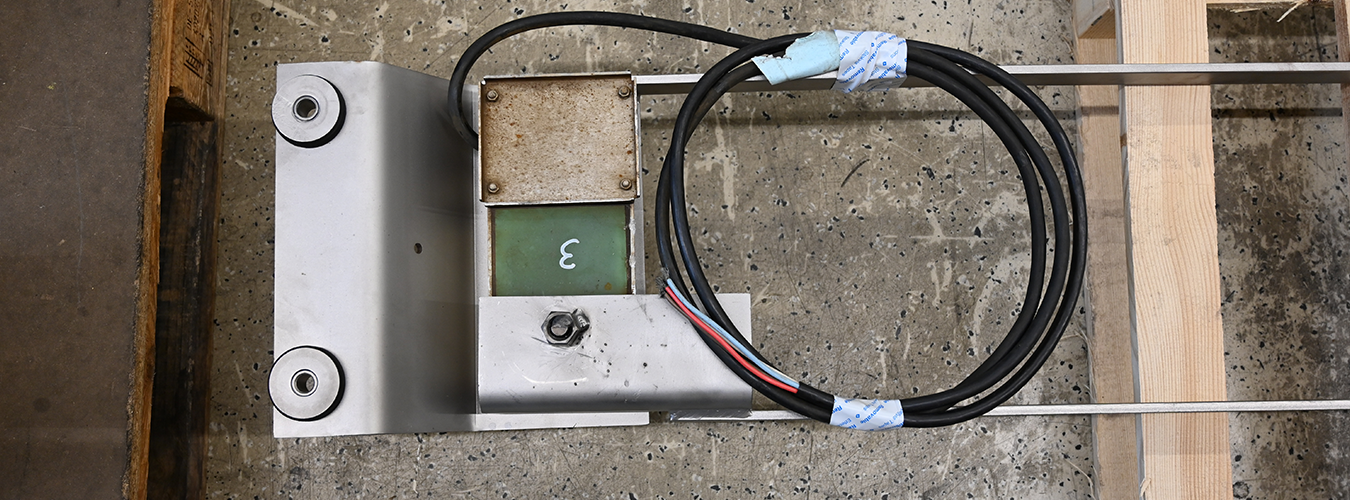
Circular reuse of products within rail infrastructure is becoming increasingly common. A recent example is the inspection and refurbishment of stored ATB-NG beacons. These components, recovered during railway renewal projects, were carefully tested and measured and found suitable for reuse. This demonstrates how existing assets can responsibly be given a second life.
ATB in a new era
Automatic Train Protection (ATB) is a safety system that has been used on the Dutch railway network since the 1970s. The system warns train drivers about signals and automatically intervenes when speed limits are exceeded or a stop signal is ignored. The first generation, ATB-EG, became mandatory in 1973. ATB-NG was introduced in the 1990s. It is technologically more advanced than ATB-EG and provides better control over speed and braking behaviour, while ATB-EG is simpler and responds less dynamically to conditions on the railway. Despite the robust design and reliability of ATB-NG, many beacons are being taken out of service due to the introduction of the new ERTMS system and the modernisation of the railway network.
Reuse as a sustainable solution
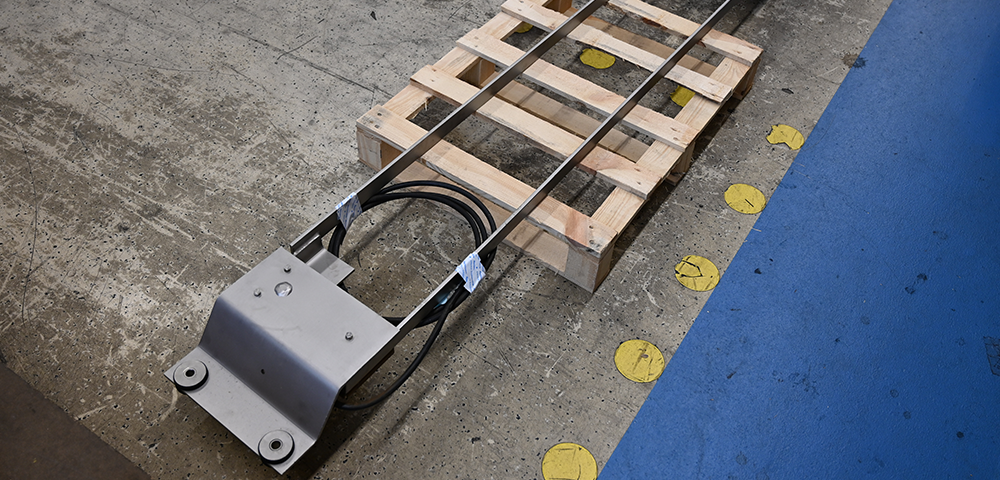
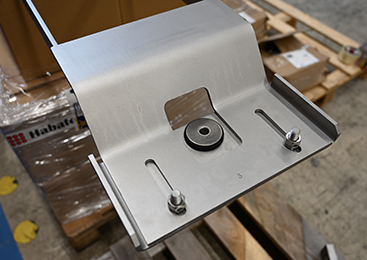
Due to the increasing scarcity of new ATB-NG beacons and the complexity of obtaining replacement parts, we decided to investigate whether previously used beacons could be put back into service. The beacons underwent strict technical measurements and quality inspections. They were assessed for damage, signal strength and overall reliability. Those that met all requirements were carefully cleaned and refurbished to restore them to as-new condition.
The result: beacons that not only look as good as new, but are also technically fully operational again, without compromising safety or performance. This approach not only provides a solution to material shortages, but also reduces costs and contributes to more sustainable rail infrastructure. By intelligently reusing existing resources, waste is prevented and the service life of high-quality legacy materials is significantly extended. It also fits perfectly within our legacy management approach for recovered products. Rail stock and legacy materials are stored in our new legacy facility, ready for a second life on the railway.
A green milestone
The reuse of ATB-NG beacons is a great example of sustainable thinking in practice and demonstrates that reusing critical rail infrastructure components is not only possible, but also highly valuable.
Would you like to know what the reuse of legacy railway components could mean for your project? Contact Jan Pieter Bakker, Business Unit Manager Availability.