Our ECI expertise is in place, but sustainability only starts there
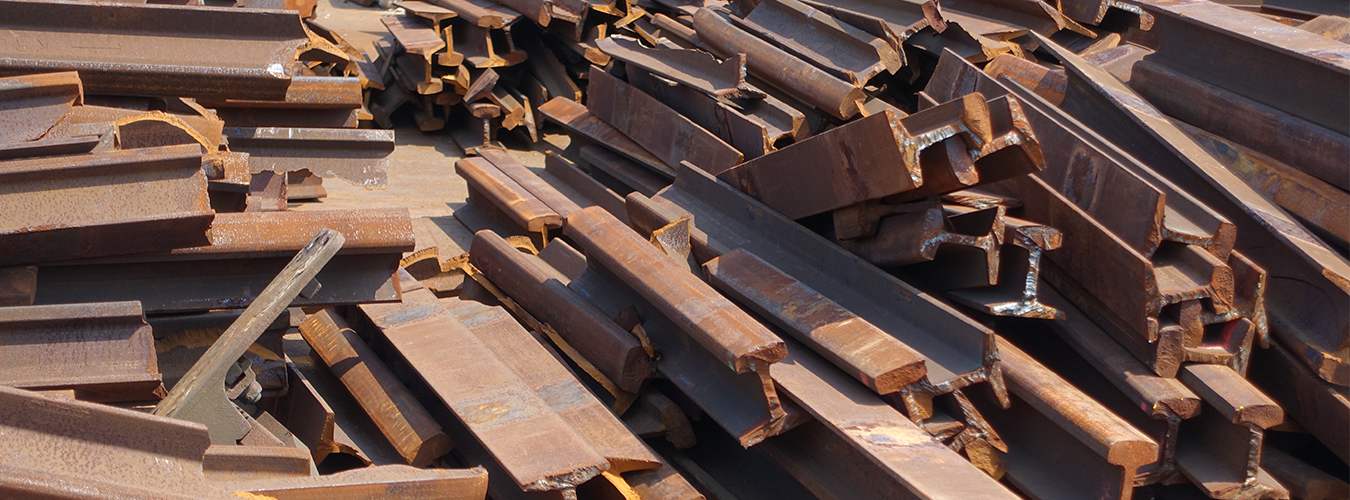
The rail sector is under increasing pressure when it comes to sustainability. And rightly so. We all want to reduce our ecological footprint. And let's be honest: in rail infrastructure, a significant share of that impact simply comes from the materials used. Steel, concrete and ballast are indispensable, but they also have a considerable environmental impact.
To make this impact transparent, ProRail has been using the ECI methodology (Environmental Cost Indicator) for several years. Until now, the focus has mainly been on ‘traditional’ materials such as steel, concrete and ballast. But the potential of ECI extends further. Much further, in fact.
From good insight to even better insight
The ECI calculation methodology continues to evolve. Through the ongoing development of this calculation method, we are gaining an increasingly accurate picture of the environmental impact within rail infrastructure. The recently introduced new weighting set represents a major step forward. Instead of 11, 19 parameters now provide a reliable, comprehensive and detailed view of the environmental impact of products used in rail infrastructure.
At the same time, we know that having reliable ECI figures is not the end goal, but the starting point. Translating these figures into concrete choices within projects is complex and requires experience. And that is exactly where we can help. Based on our many years of expertise, we work together with our partners throughout the value chain to turn new insights into feasible, tangible next steps towards greater sustainability.
Circularity as a solid foundation
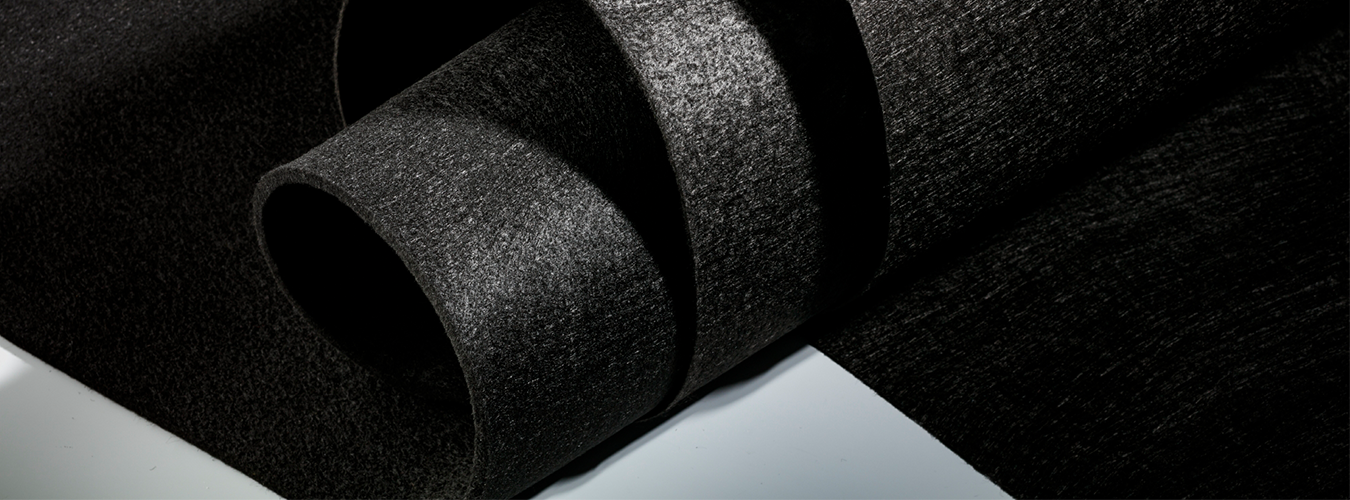
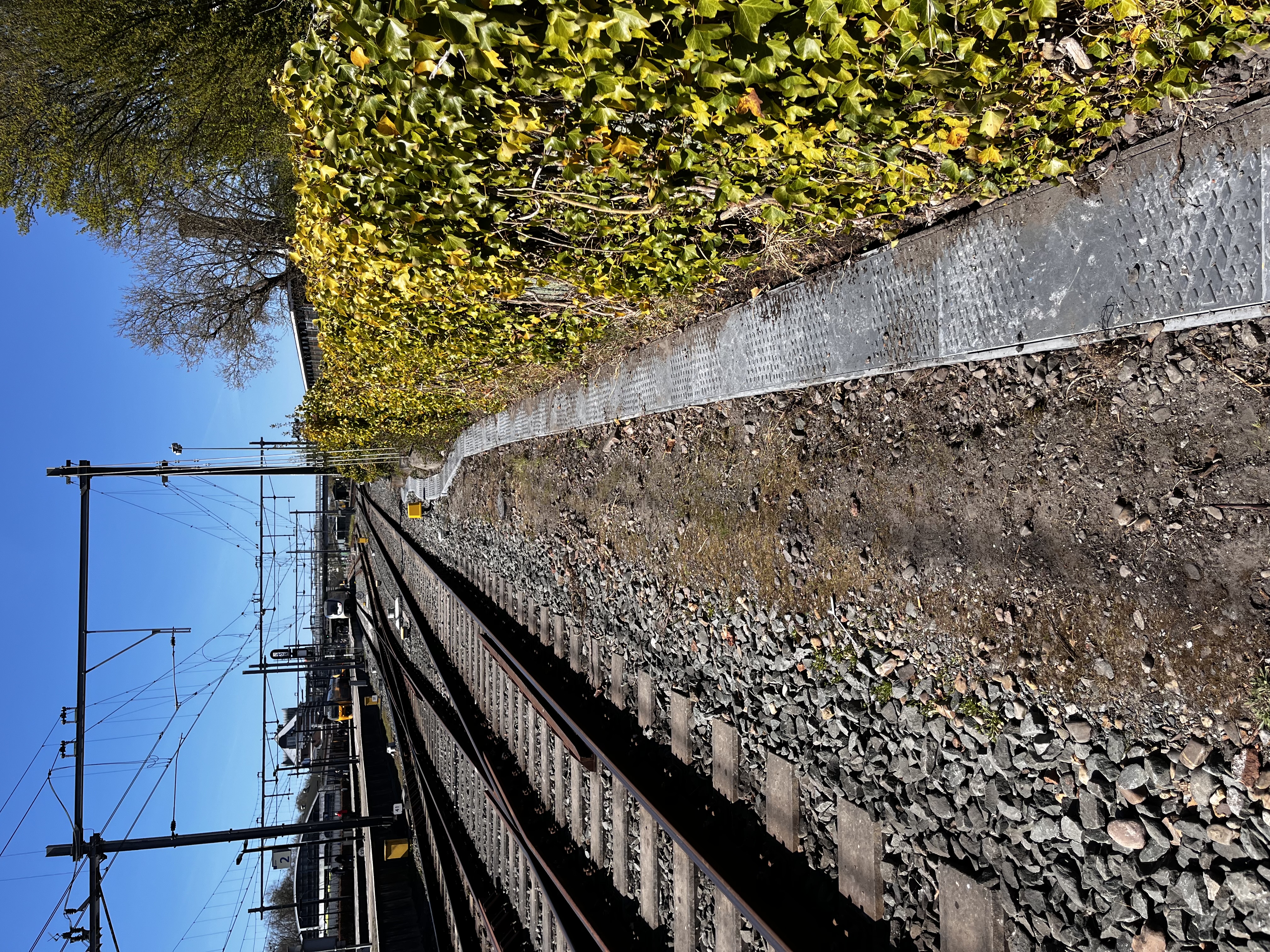
The updated ECI rules are fully aligned with the direction we have already been pursuing for some time. Sustainability is not a separate theme for us, but an integral part of our strategy, which has already resulted in numerous sustainable innovations. A recent example is our circular cable trough. More than 98% of the composite consists of recycled raw materials, including old wind turbine blades and protective layers from electric vehicle batteries. Thanks to a smart combination of materials, the cable trough is also fully recyclable at the end of its service life.
greentec steel: sustainability starts at the source
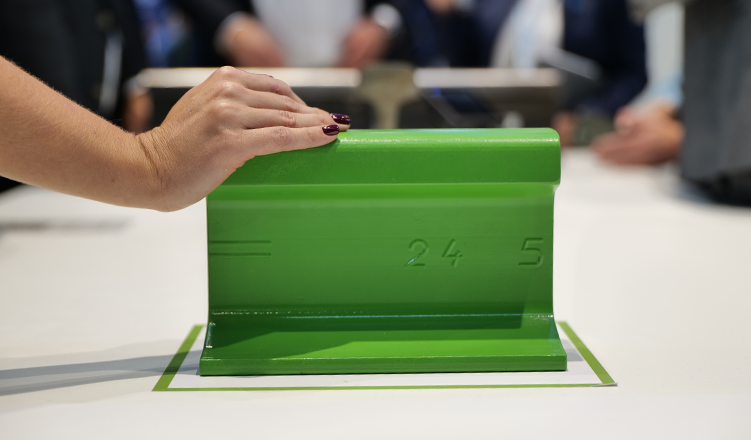
The same circular approach can be seen at the beginning of the value chain greentec steel, the sustainability programme of our parent company voestalpine, focuses on a new steel production method using an Electric Arc Furnace. With this technology, steel from used rails can be reused to produce new, high-quality rail steel. And this is directly reflected in the ECI value.
Moving towards greater sustainability together
The ECI methodology provides a strong foundation. But real progress in sustainability comes from collaboration, innovation and dialogue between partners. That is why we invite everyone throughout the value chain to contribute ideas. Ideas for further reducing emissions and the environmental impact of products, processes or logistics are always welcome.
We are taking major steps to make rails and other components more sustainable. Not because we have to, but because we are convinced that the future of rail infrastructure starts with minimising environmental impact as much as possible.
Would you like to discuss how we can make your project more sustainable, or do you have ideas that we could explore together? Please feel free to contact Sander Brinkhuis, Manager Marketing & Innovations.