
About ballast
Ballast Logistics: from Quarry to Track – Efficient and Sustainable
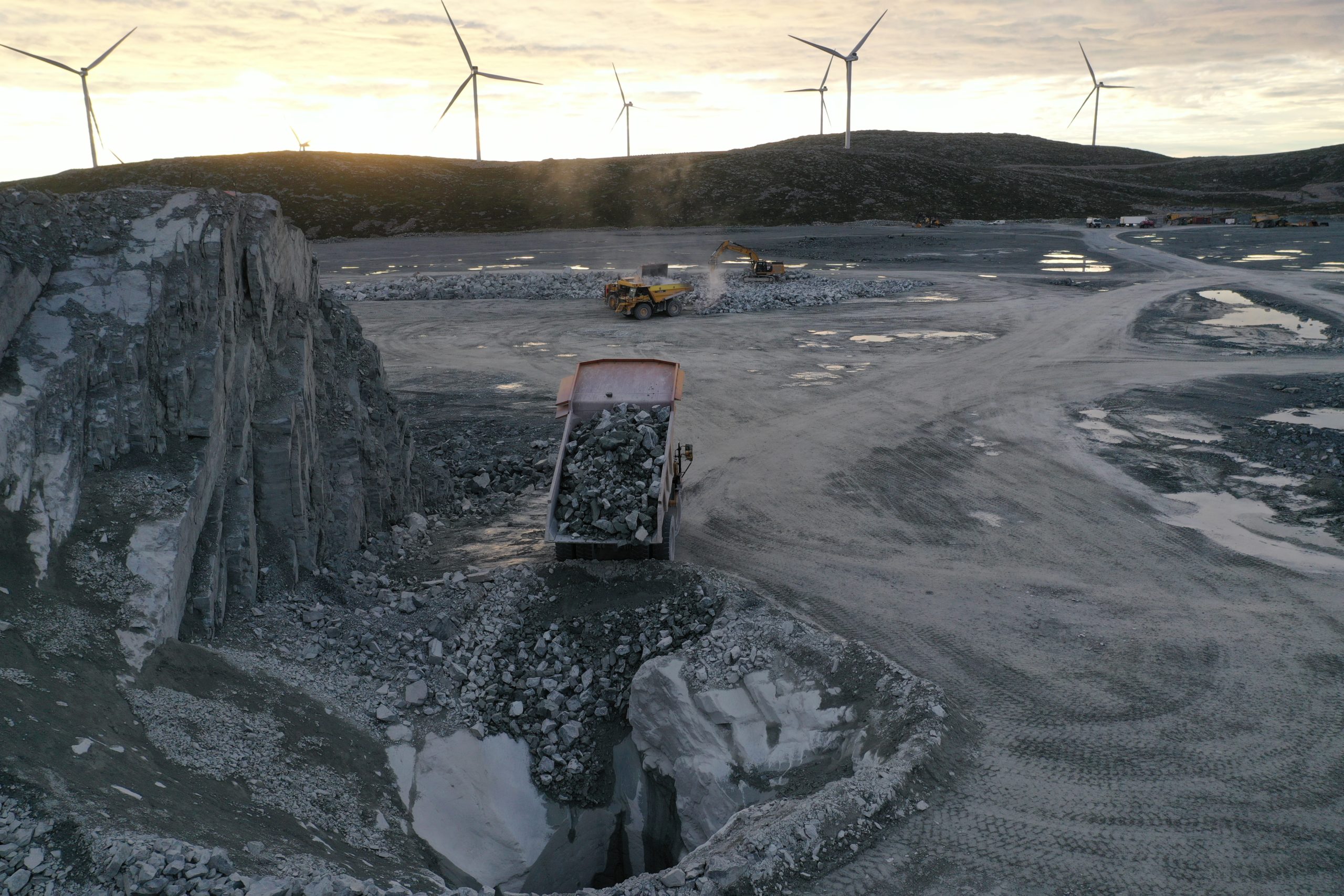
Transporting rail ballast from quarry to track is a challenging logistical process. It seems simple: transporting stones from a quarry to a construction site. However, due to the distribution of large volumes and complex logistical circumstances, the process requires precise planning. Rail contractors need to know exactly how much ballast is to be removed and how much new ballast is needed. Our experienced coordinators ensure that the logistical process around each rail project runs smoothly and efficiently.
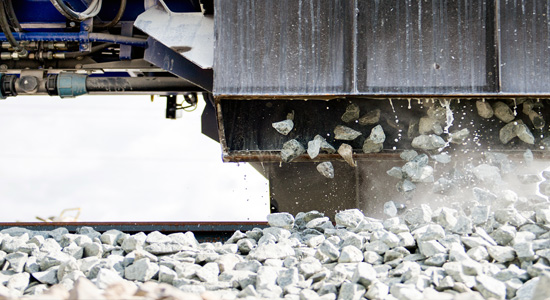
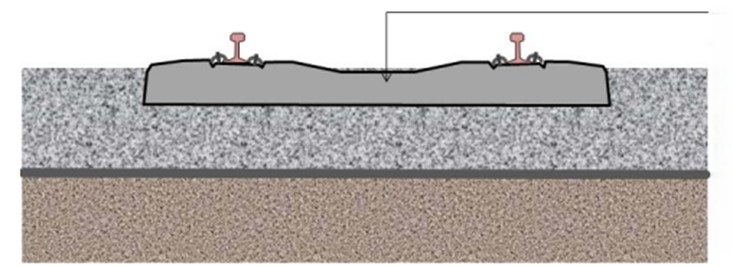
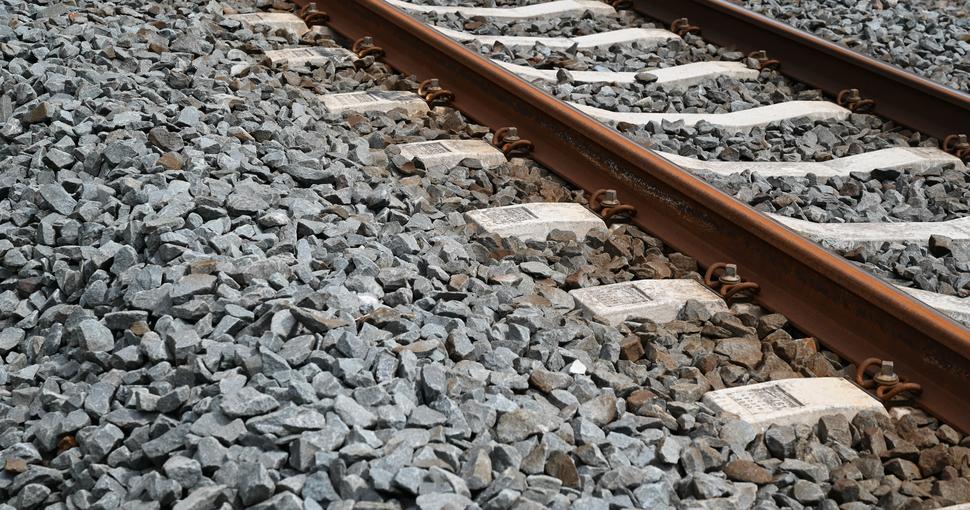
Ballast is used to:
- Provide stability to the track. It absorbs the forces generated by a passing train and holds sleepers and rails in place
- Reduce vibrations when a train passes over the track
- Properly drain rainwater
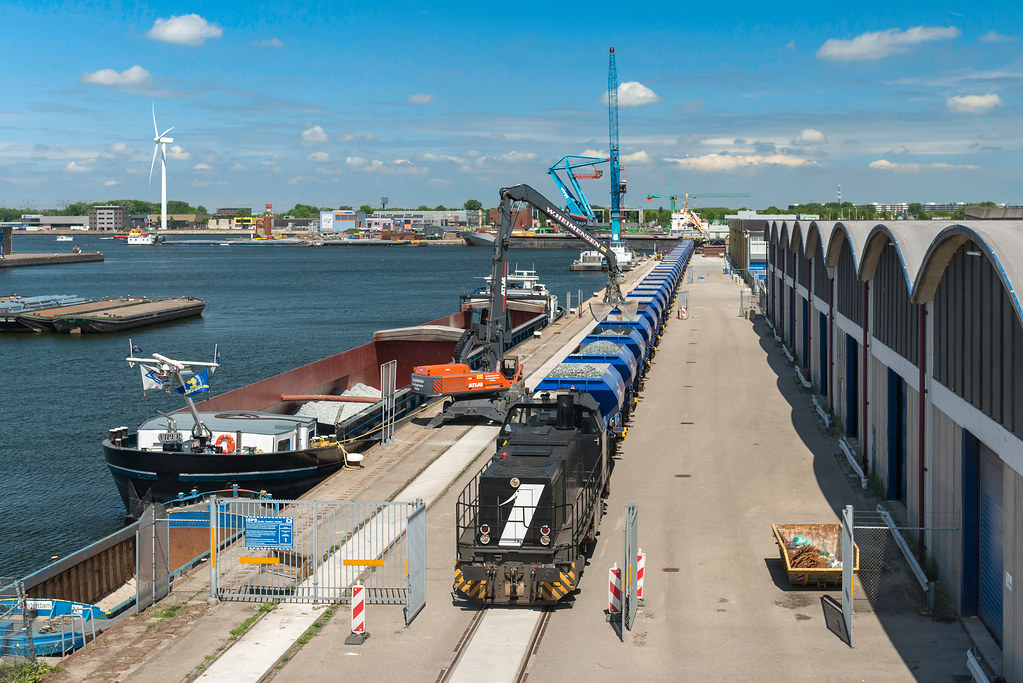
Thanks to our strategic location in the Western Harbour Area of Amsterdam, we combine all the necessary modalities and facilities for transporting ballast. As a result, we minimise handling and deliver on time, in the right quantity and at competitive prices, with the lowest possible environmental impact.
Environmentally Friendly Ballast Transport
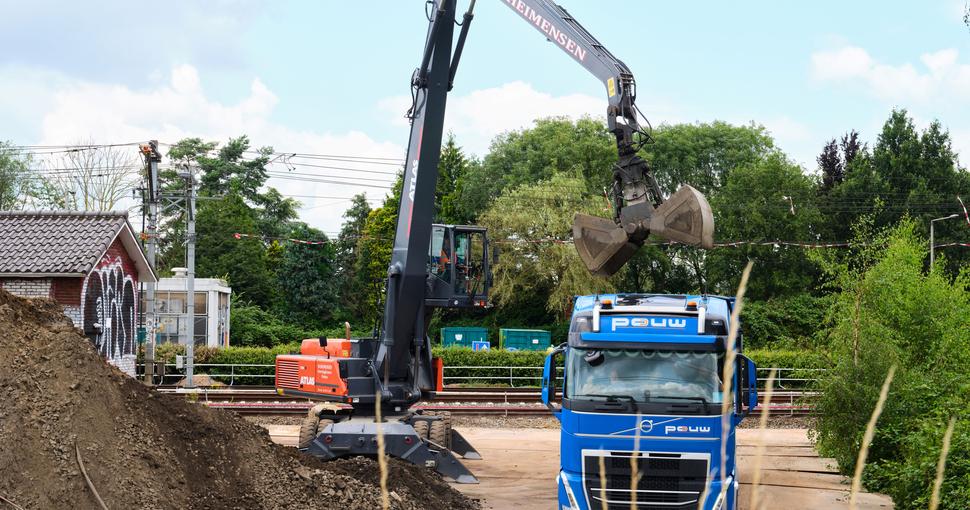
Sustainability is playing an increasingly important role in rail projects. We limit the use of lorries and opt for smart logistic solutions, ensuring that ballast is transferred as little as possible between transport modalities.
Our extensive fleet of wagons, the largest in the Netherlands, is available for short- and long-term rental, including new ballast delivery. All wagons are RIV-certified. For both the delivery and removal of ballast, we offer various transport options, ensuring optimal logistical efficiency.
For the transport and delivery of crushed stone, we offer various modalities:
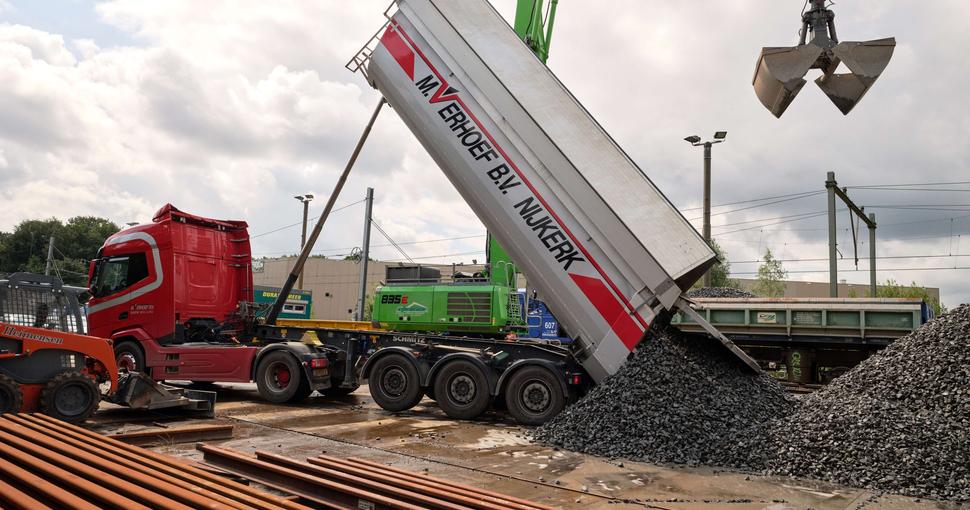
- By lorry: loose bulk or in big bags
- By ship: unloaded at the quay, or unloaded and further transported to the location
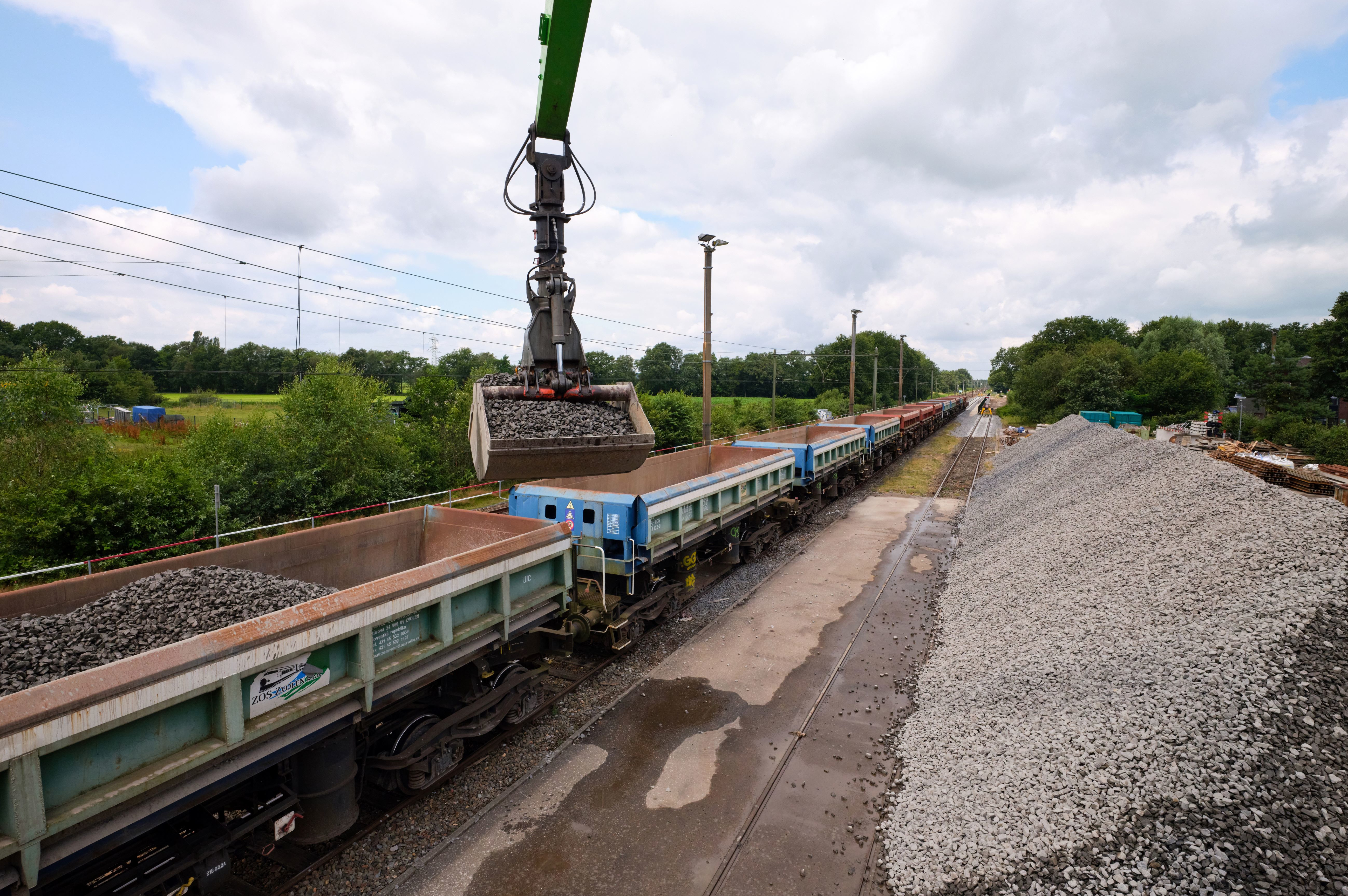
- By flat wagon or Dust-Free Unloading Train (SALT)
Additional Services for Ballast - Project Depots
We strive to supply the necessary materials for projects as environmentally friendly as possible, with a minimal CO₂ footprint, by rail. Each project is unique, however, which means there is sometimes a need for alternative logistical solutions such as depots. Should there be a need for a depot, we are ready to provide full project support.
Storage and Transshipment of Ballast
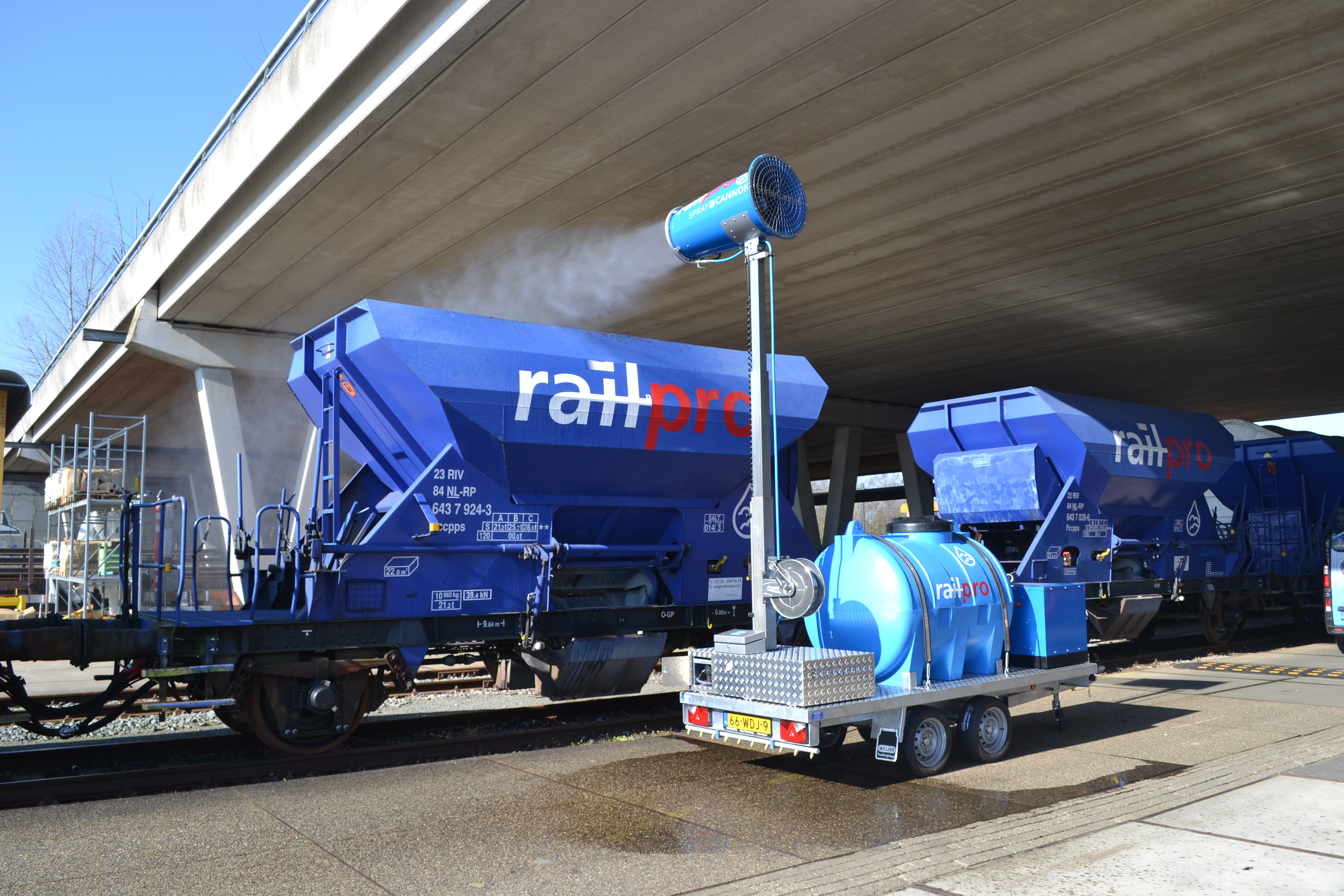
For the storage and transshipment of ballast, an efficient and environmentally friendly approach is essential. We set up temporary depots for the storage of ballast. Here, the ballast is carefully stacked and later loaded into transport vehicles such as wagons, trucks, or dumpers. To minimise dust formation, we keep the depot dust-free by using water. At the end of the project, the depot is expertly dismantled.
Misting Cannon for Dust Reduction
To minimise dust formation during the loading and unloading of ballast, we have added a misting cannon to our service package. This cannon is ideal for dust-free processing of ballast, both during rail unloading and depot work. Thanks to the flexible deployment options of the cannon, including adjustable spray heights and compatibility with various water sources, we ensure that the entire ballast processing process is safer and dust-free.
Reuse and Replacement of Ballast
When ballast material no longer meets the required specifications due to wear or contamination, replacement or reuse is necessary. We offer solutions for replacing worn ballast with new material. Additionally, we can recycle or clean old ballast material, allowing it to be reused. This process results in significant cost savings. If reuse is not possible, we ensure an environmentally friendly disposal of the ballast.
Ballast Quality and Specifications
For all tracks and switches in heavy rail, crushed stone 31.5/50 is applied according to the design requirements. For tracks and locally operated switches on, for example, stabling and shunting yards, the top 5 cm of ballast 22/40 is often used. This is due to the accessibility of the track. This is only permitted with the approval of the expert in the relevant area of Track, Switches, and Geotechnics.
In the Netherlands, railway ballast is applied according to OVS00056-5.1. Quartz-containing ballast complies with SPC00033, while quartz-free ballast complies with SPC00353. The transition to quartz-free ballast is in full swing and there is now enough available to meet demand. We supply ballast throughout the Netherlands from our depot in Amsterdam.
Quartz-Free Ballast
Quartz-free ballast has become the standard. It is expected that deliveries with quartz-containing ballast will stop in the short term. Where there was recently a shortage of quartz-free ballast, it is now sufficiently available. From our own depot in Amsterdam, where we load our SALT train, we can deliver throughout the Netherlands. For availability, we maintain intensive contact with the supplier regarding upcoming projects and market needs.

Business Unit Manager
Harld van Binnendijk
harld.vanbinnendijk@voestalpine.com