
Milling
Symmetrically and conditionally milled for maximum lifespan
ProRail mandates that rails must be stripped of millscale and the decarburised surface layer by grinding/milling on site within two months of commissioning or, alternatively, this can be done prior to installation.
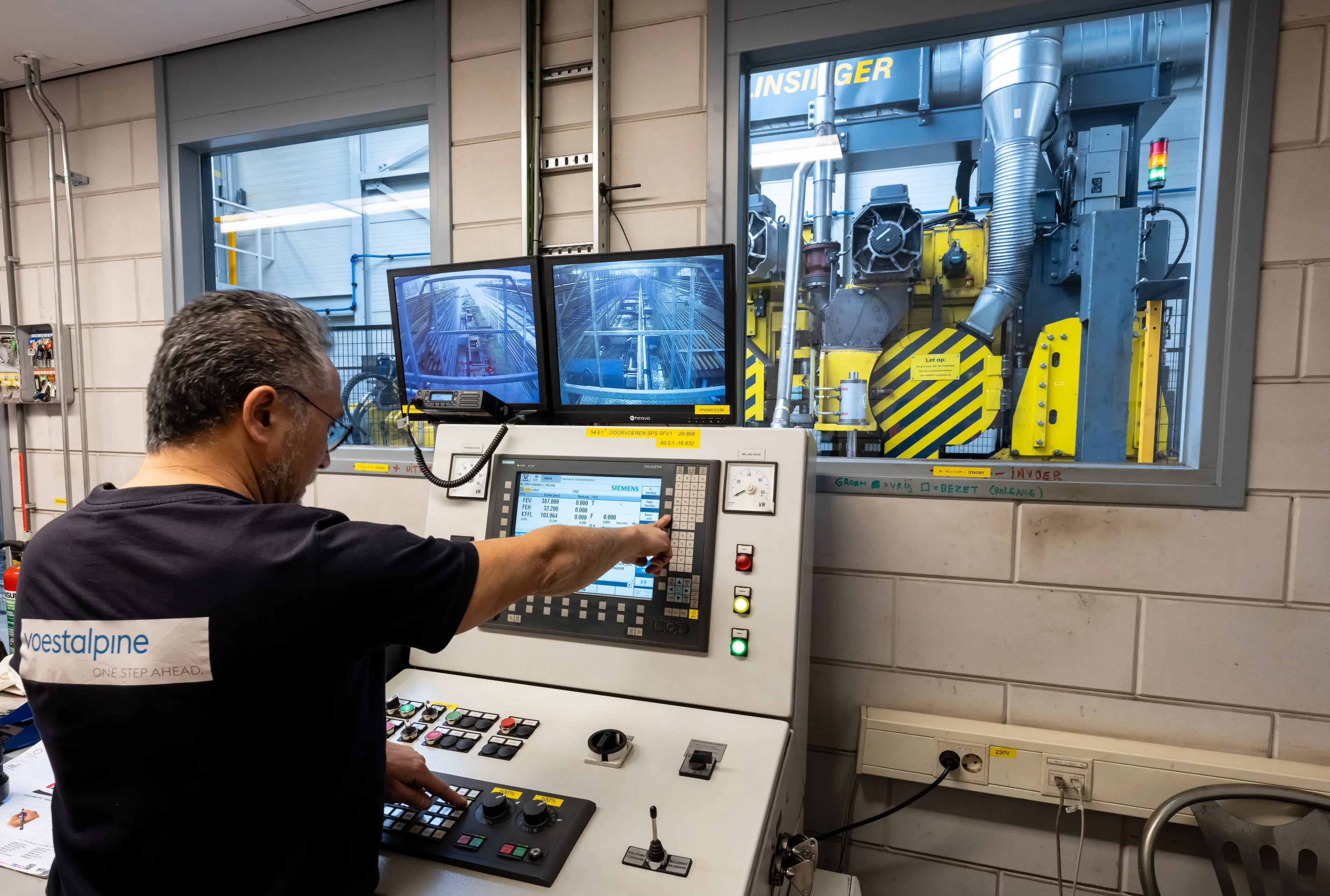
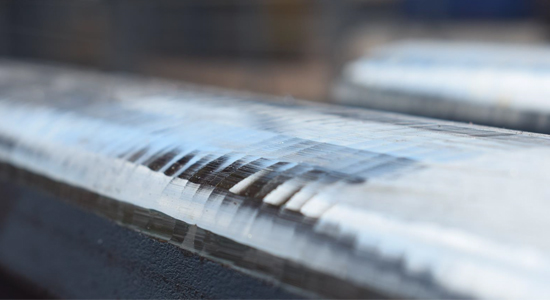
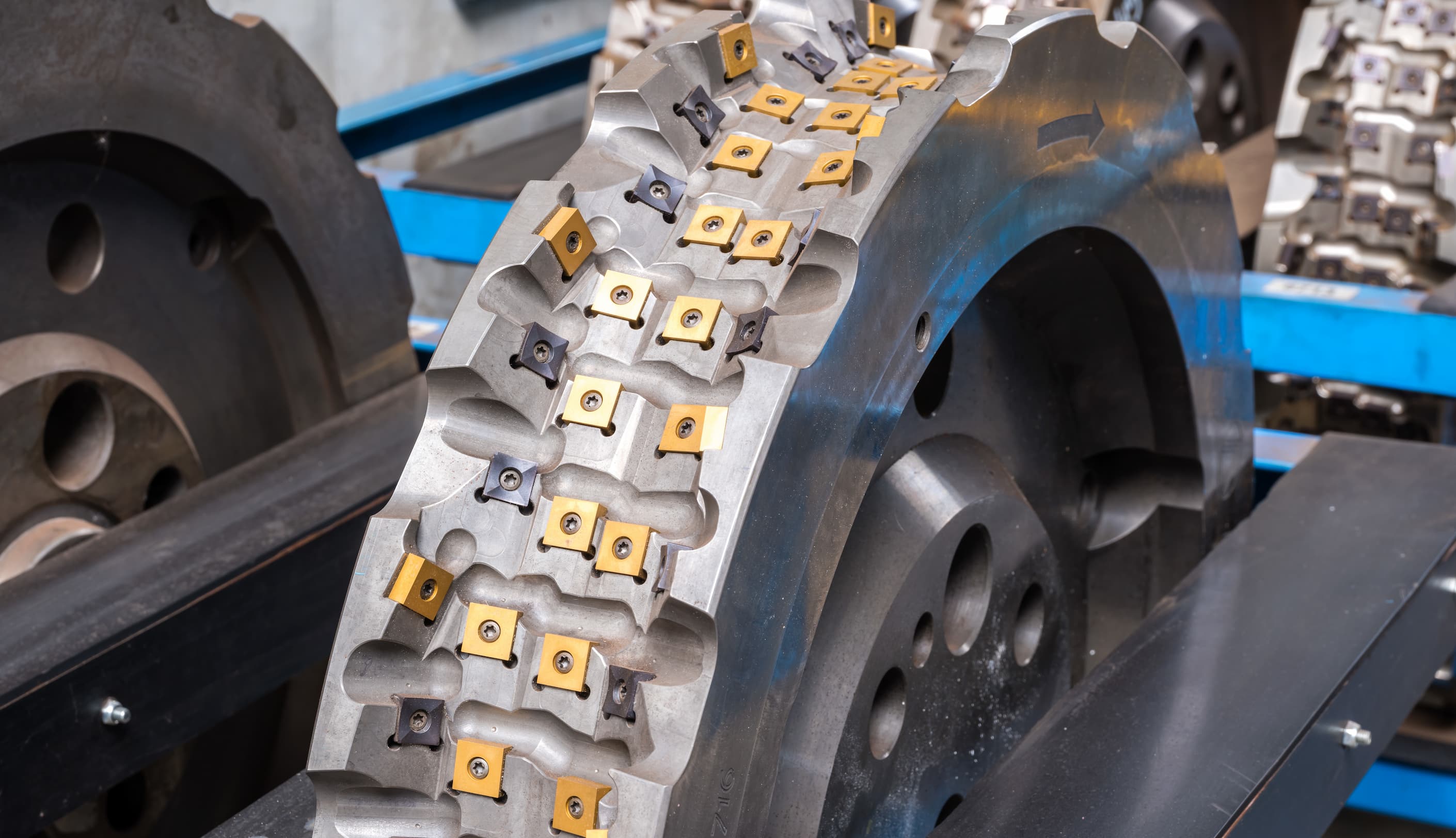
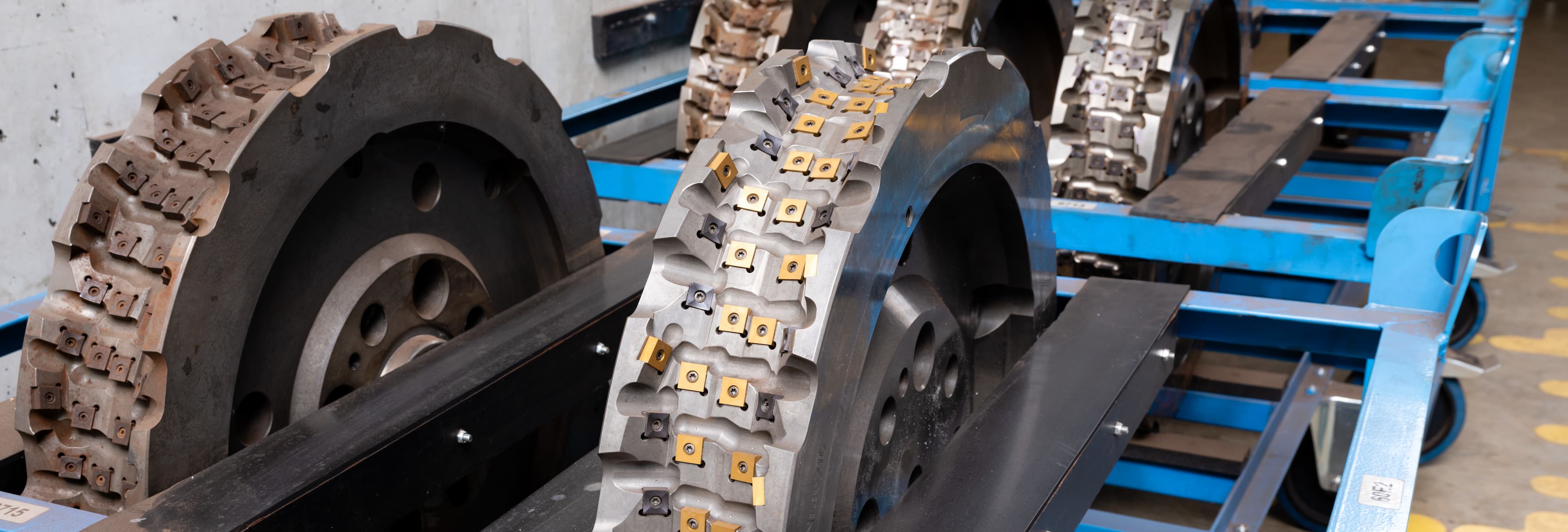
Since 2017, our unique milling machine has been operational at our Rail Service Centre. This machine mills the rails symmetrically, removing the decarburised surface layer by 0.7 mm. The production process has been continuously optimised since then. We mill rails preventively to their full length of 120 metres. The milling is carried out according to the certified process SPC00011-1, ensuring that no specific running edge or processing direction is required. After welding the rails together, even a length of 360 metres of rail can be supplied, ready for immediate use on the track.
Why We Mill
Research has shown that infrastructure quality is improved by the use of milled rails. During the manufacturing process of rails, a decarbonised surface layer is formed on the head of the rail. Due to intensive usage of the track, this surface layer, which is softer than the rest of the rail, can be driven into the rail. Therefore, the decarbonised surface layer must be removed to prevent track degradation.
Contractors can remove this surface layer using a grinding train. Logistically, this presents significant challenges, especially given the increasing time pressure during track closures for maintenance. The risk is that the decarbonised surface layer is not removed in time and the rail becomes damaged.
Stationary preventive milling offers the solution in this context. Rails are milled before installation and can be used immediately (and without damage).
Outlook on the Future
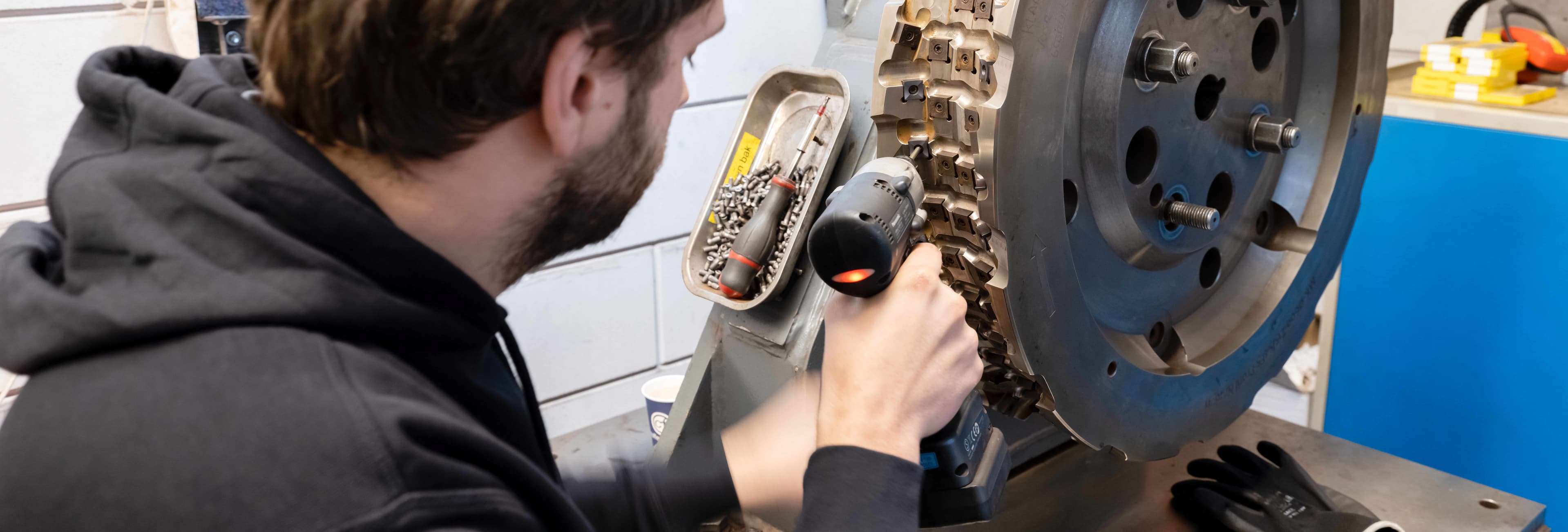
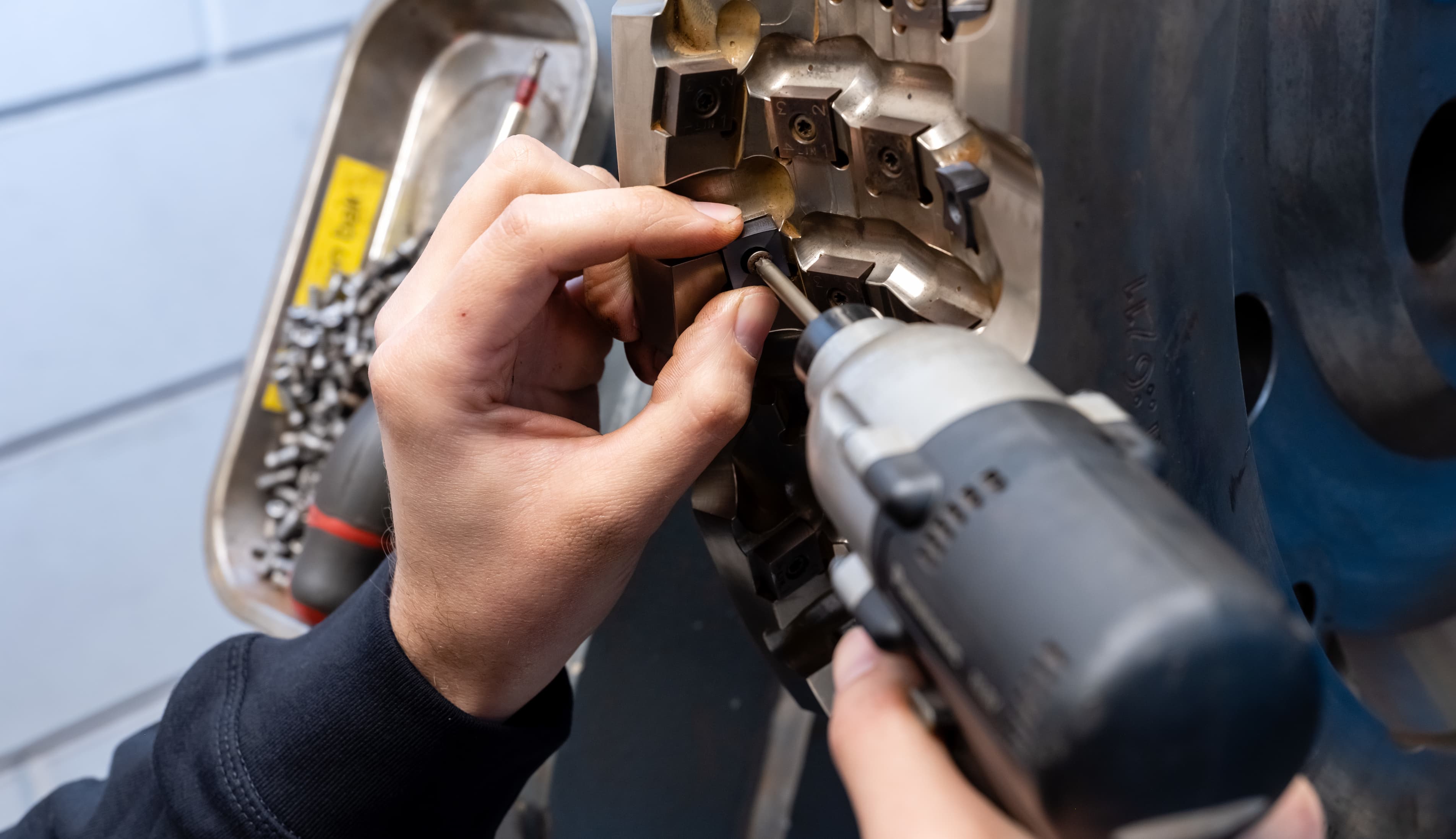
As the only party in Europe that symmetrically mills daily with high volumes, we have gained extensive experience in milling railway tracks. Now we also want to assist other rail infrastructure managers in maintaining high-quality infrastructure, ensuring high availability, and reducing lifecycle costs.Thanks to our strategic location, we can mill all standard vignole rail profiles for both Dutch and international network managers, from high-speed lines to urban transport companies. Additionally, our range has been expanded with height-adjusted prefabricated components.
Height-Milled Rail Transition Pieces
When a section of existing track is due for renewal and new rail tracks (with standard height) are applied, a height difference can arise. This height difference can occur because the existing track has already worn down by a few millimetres. By using height-milled rail transition pieces, the levelling of the worn existing track and associated repair work is significantly reduced.
The rail tracks are symmetrically milled so there is no specific running edge or processing direction required. The standard rail profiles 54E1 and 54E5 and steel grades R260Mn and R370CrHT are available in 2 mm, 4 mm, 6 mm and 8 mm. Other rail profiles and steel grades can also be produced and supplied as needed.
Avoid height differences in existing tracks!
The head height of height-milled fitting pieces has already been reduced by a few millimetres at our Rail Service Center. Transition welds are no longer needed. A standard thermite weld, which is of better quality than a transition weld, suffices. Height-milled fitting pieces result in a significant quality improvement of the infrastructure and longer lifespan of rail tracks and welds.
Colour Coding for Deep-Milled Rails
With regard to the delivery of rails that have been milled to height (rail codes ending in -1200, -1400, -1600 or -1800), colour coding has been agreed. This is because it is important for production, storage, and delivery to quickly identify not just the length and steel quality but also the height/depth of the milling.
| Colour | Milling depth |
|---|---|
| Blue | 2 mm |
| Green | 4 mm |
| Yellow | 6 mm |
| White | 8 mm |
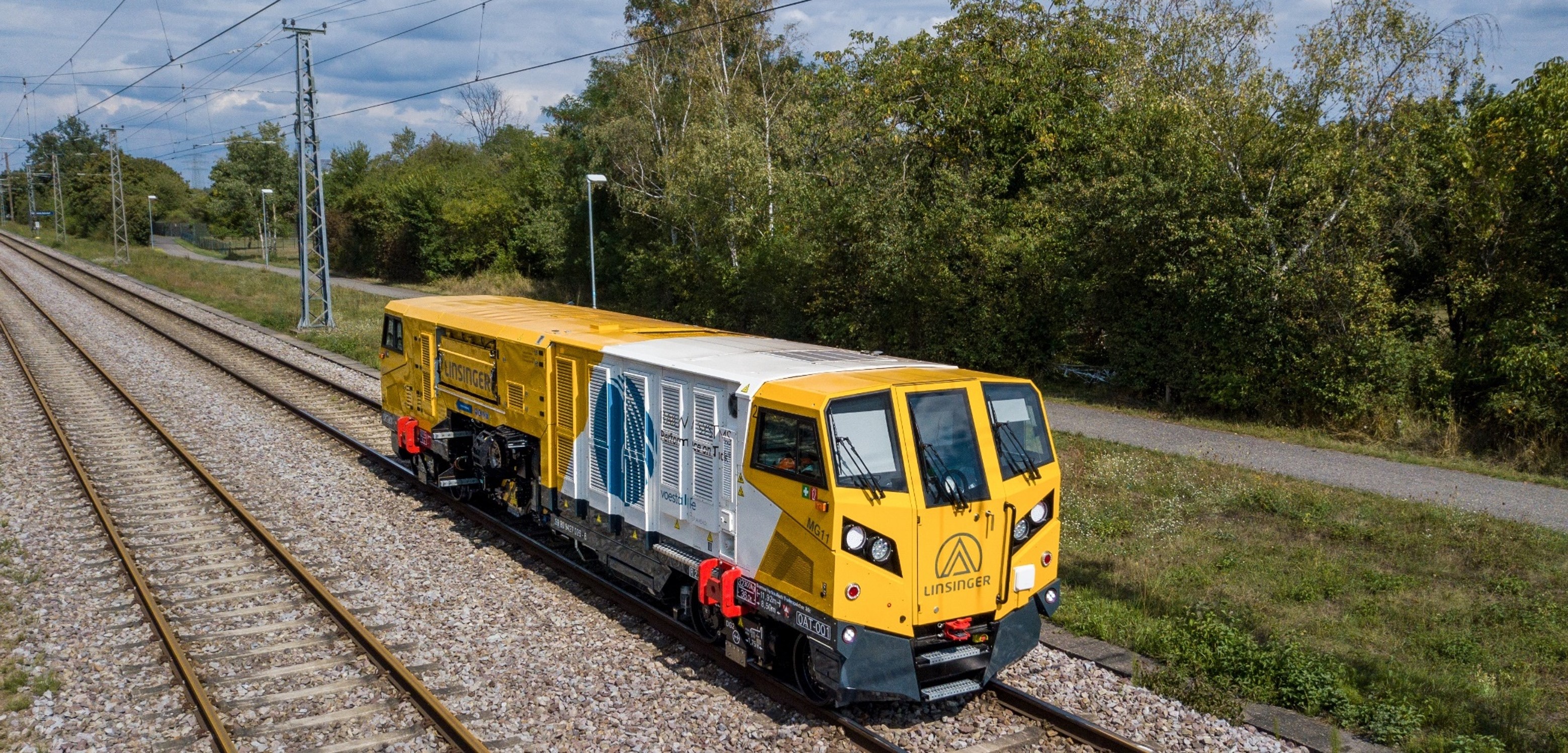
MG11 milling train
The compact mobile milling train MG11 is specially designed for metro and light rail networks, offering dust-free, safe and efficient regenerative and corrective rail maintenance, ideal for use in tunnels and during short operating times.