Legacy hall opened: A central location for railstock and legacy materials
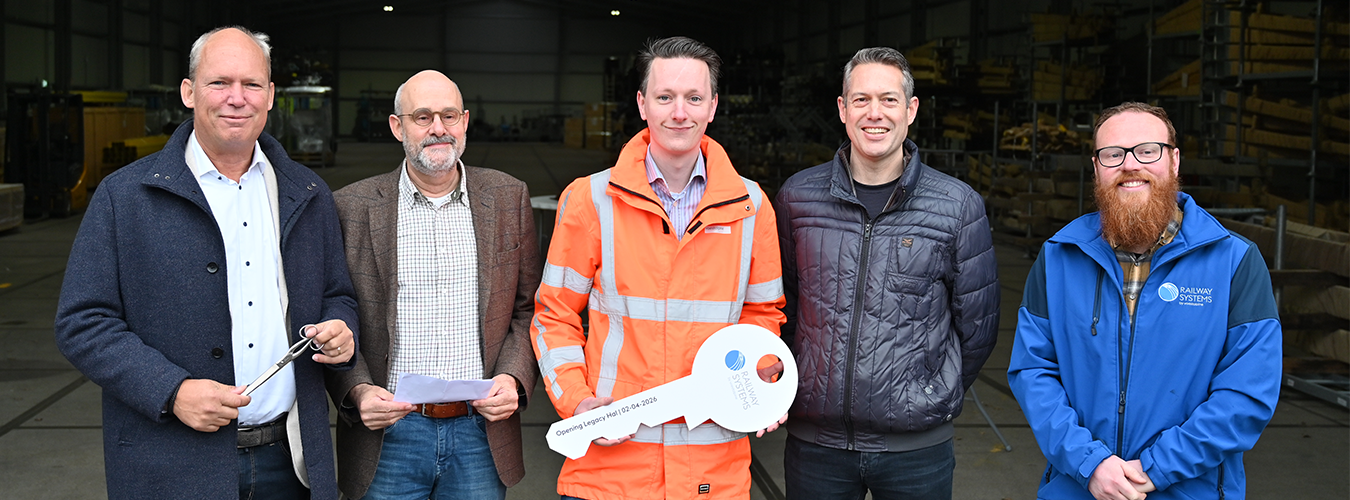
What still functions without issue in the railway today can suddenly become scarce tomorrow. With the official opening of our new legacy hall, we anticipate this reality. The hall serves as a central point for managing railstock and legacy materials and increases both the certainty and speed with which critical railway components are available.
The legacy hall strengthens the availability of crucial components for existing railway systems while simultaneously creating a more efficient logistics process. “It is not a solution to an acute problem, but a deliberate choice from a long-term perspective,” explains Christiaan Ehlert, who was closely involved in the construction of the hall. “We see that more and more components are simply no longer available. We want to be prepared for that.”
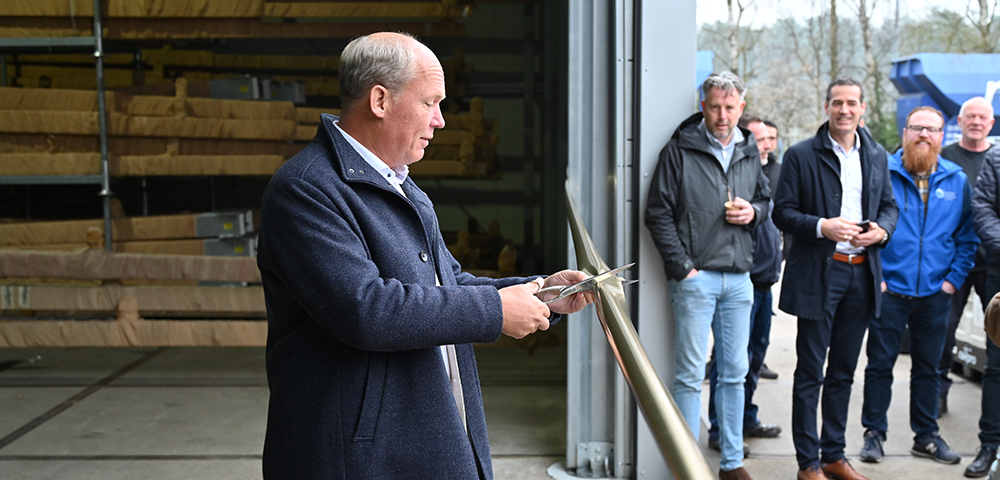
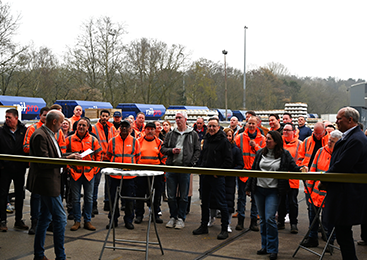
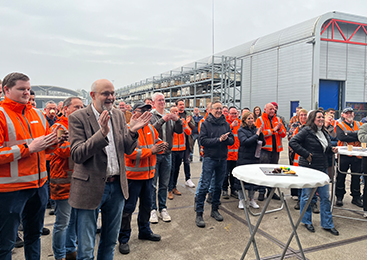
One central location, maximum availability
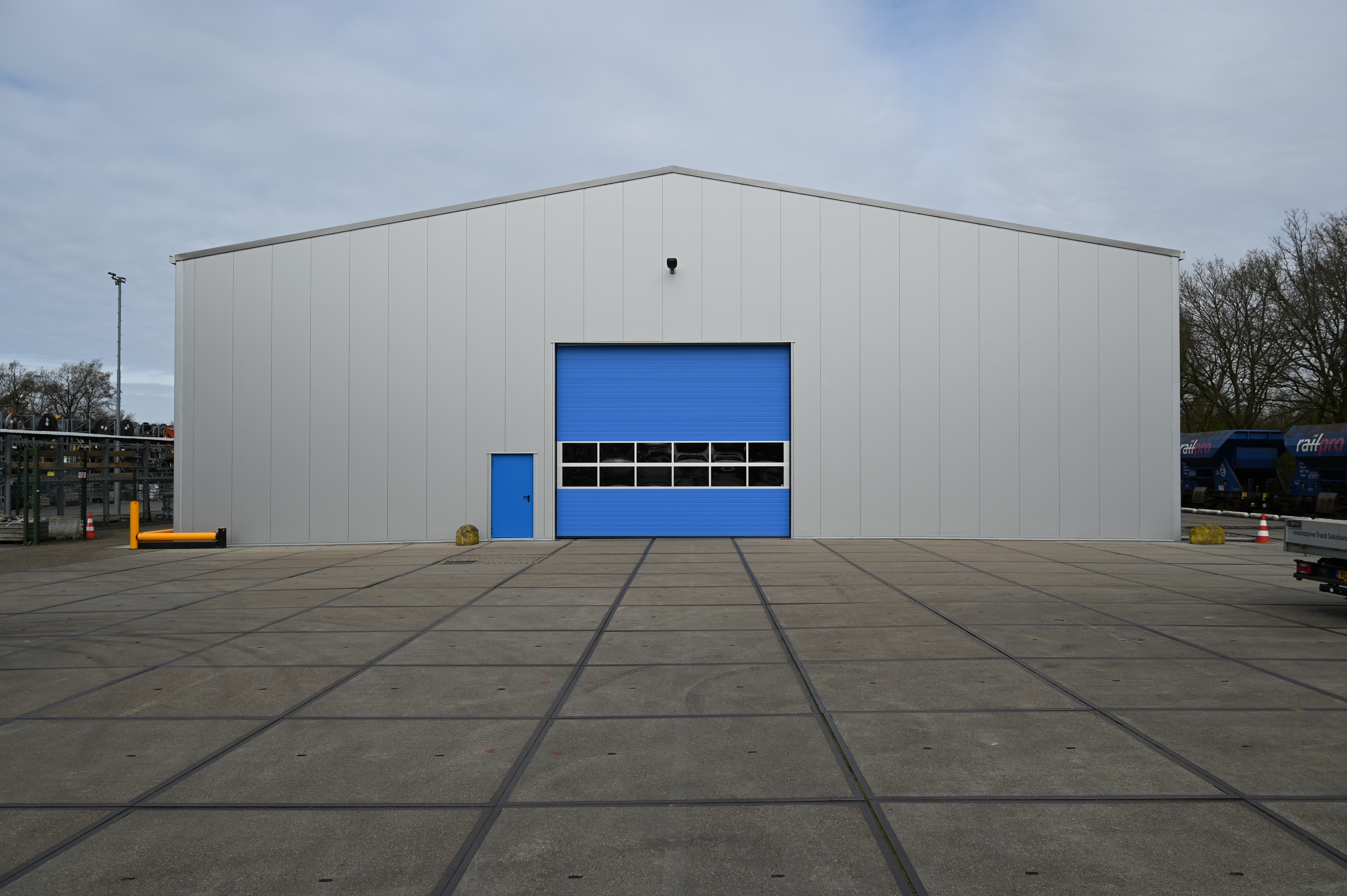
The hall, measuring approximately 25 by 85 metres, brings together the storage, management and distribution of large legacy and railstock components in one location. Materials that were previously stored partly at external locations are now centrally located on our site in Hilversum. This offers immediate advantages.
“Everything is now in one place, accessible 24/7,” says Christiaan. “This significantly reduces coordination, transport movements and time. For both colleagues and customers, the process has quite literally moved closer.” With the elimination of external storage, contingency stock has become a full part of the regular warehouse and order process, significantly increasing delivery speed.
A more efficient process for customer and organisation
The legacy hall turns what was previously customised work with manual coordination into a standard logistics process. Orders are processed via the regular system, after which the warehouse can immediately pick and prepare the materials. “What previously required a great deal of organisation has now simply become a standard order,” says Christiaan.
For our customers, this means greater flexibility and fewer barriers. No more remote arrangements or limited availability, but free access during opening hours combined with alignment to the 24/7 fault response service. This contributes to continuity in both maintenance and projects.
Sustainable use of proven systems
In this context, legacy explicitly does not mean ‘obsolete’. It concerns robust, proven systems that will remain necessary for many years, particularly as the roll-out of ERTMS takes place in phases. By refurbishing, testing and reusing materials, knowledge is retained and unnecessary new production is prevented.
“If you have something that still works, it is often better to see whether it can be reused or repaired,” says Christiaan. “Reverse engineering or having it newly manufactured takes a great deal of time, energy and cost.” The legacy hall facilitates exactly that sustainable consideration between reuse, refurbishment and replacement.
From construction to landmark