Side-Milled Closure Rails Improve the Connection to Existing Track
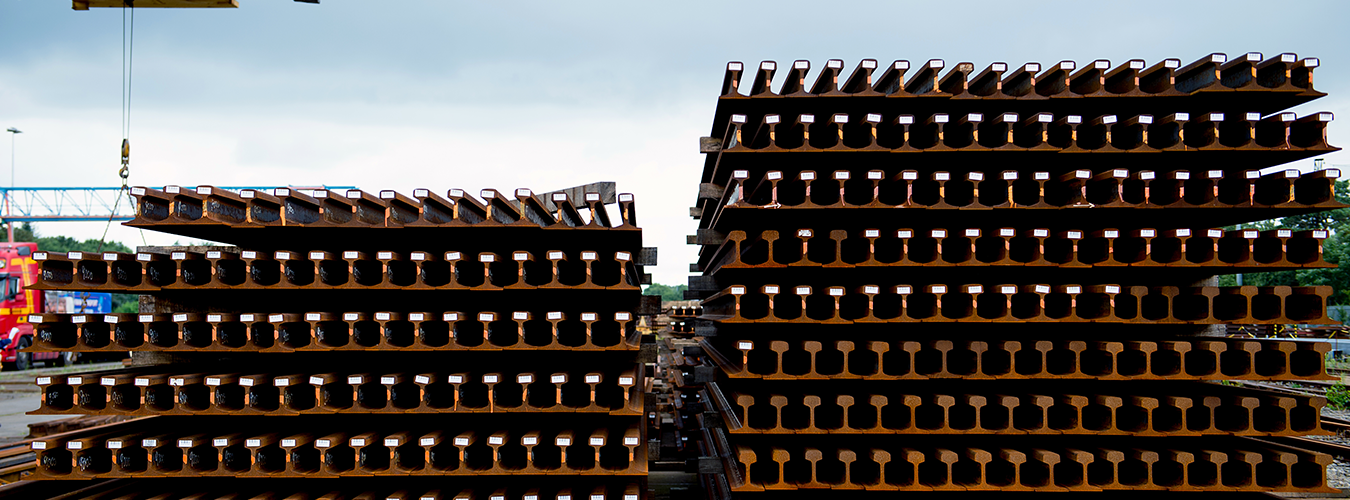
Many rails in the Netherlands have been in service for decades. Although these rails continue to perform well, years of use have caused them to deviate from their original profile. This creates additional challenges for maintenance and replacements. How do you ensure an optimal transition between new and existing track when the existing rail has worn both vertically and laterally?
To improve this connection, increasing attention is being paid to the actual wear profile of the rail. Instead of using the original design profile as a reference, the profile that has developed through years of train traffic is taken as the starting point.
From Standard Profile to Actual Wear Profile
For many years, closure rails have been depth-milled to compensate for vertical wear. Within our organization, this method is applied for wear up to eight millimetres. The next step is to account for lateral wear as well, particularly in curves where the gauge face of the rail can also experience significant wear.
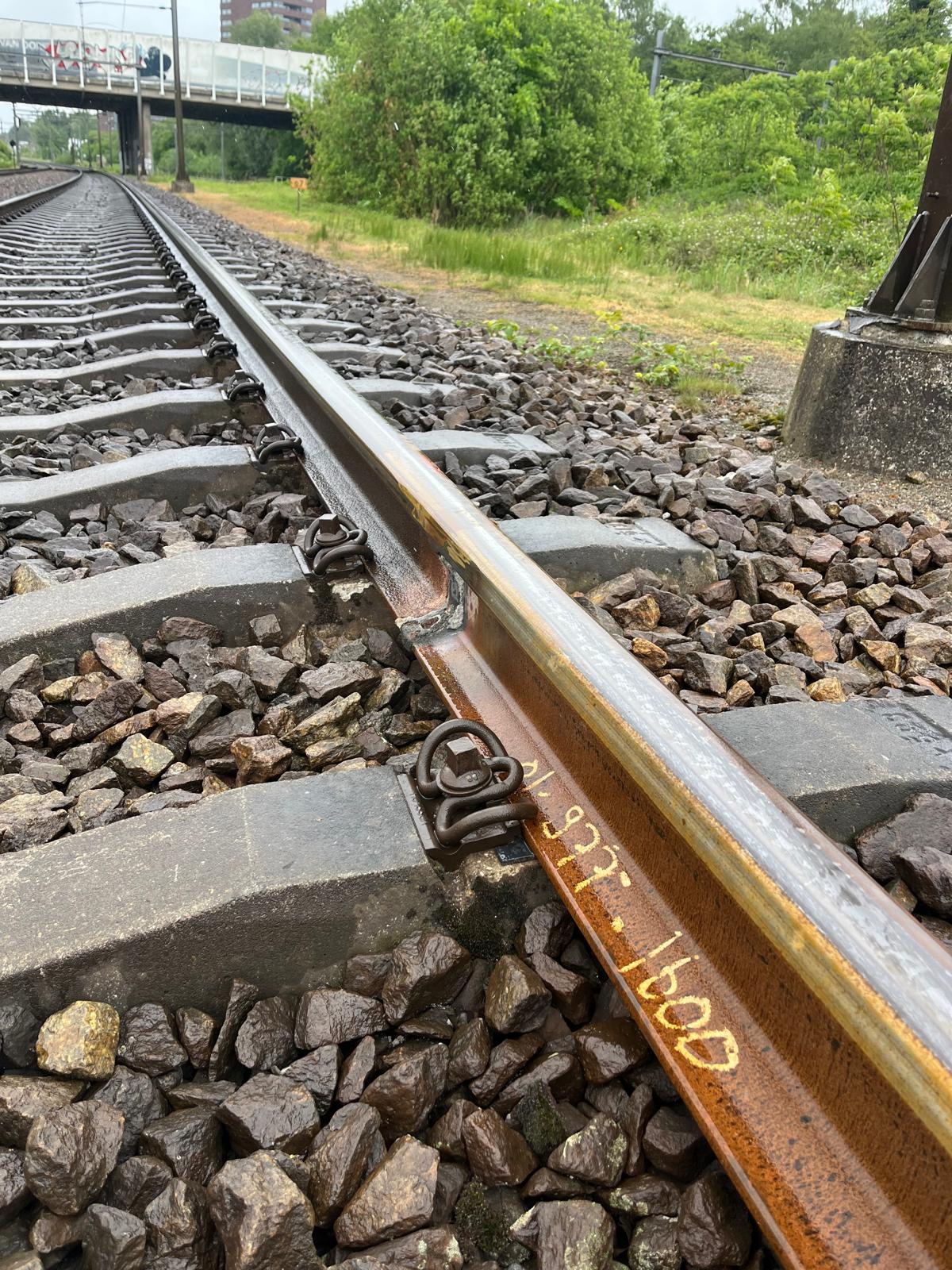
By profiling both vertical and lateral (horizontal) wear in advance, we can match a closure rail to the actual wear profile of the existing rail. This results in a better geometric transition between old and new track.
Improved Fit, Less Corrective Work
Matching a closure rail to the actual wear profile of the existing track creates a smoother transition between old and new rail. As a result, fewer adjustments are required during installation and the physical workload on site is reduced. In many situations, traditional step welds are no longer necessary, further reducing the risk of impact loading and subsequent damage.
Supporting Life Extension
Laterally milled closure rails are a logical next step in compensating for rail wear. By matching the actual condition of the track more closely, they provide a sustainable solution that contributes to high-quality welds, stable track geometry and optimal use of existing infrastructure.
Would you like to know more about the application of laterally profiled closure rails within your rail project? Contact Eric Brink, Business Unit Manager Rail Services.

Eric Brink
Business Unit Manager Rail Services