More Than a Coating: Gaining Control of Corrosion in Rail Infrastructure
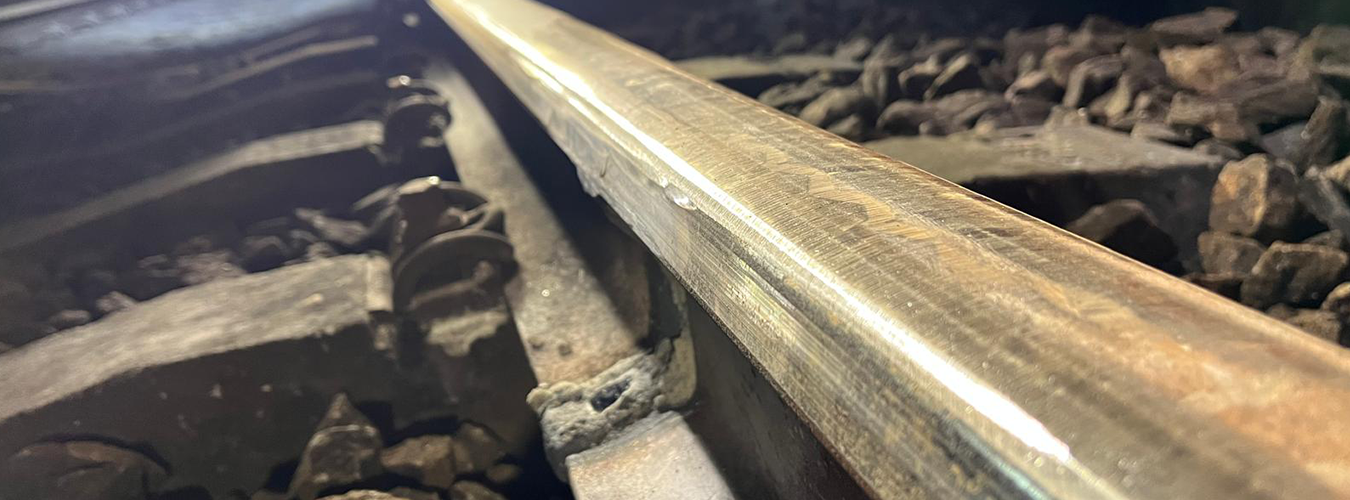
Rails are not exposed to the same conditions everywhere. In tunnels, level crossings, station areas, ports and metro systems, moisture, salt, contamination and stray currents can significantly reduce their service life. As a specialist in corrosion protection, we see every day how great the impact of the railway environment can be on the service life of rails. Effective corrosion protection is therefore essential to prevent deterioration and safeguard the reliability of rail infrastructure.
Every Environment Requires a Different Approach
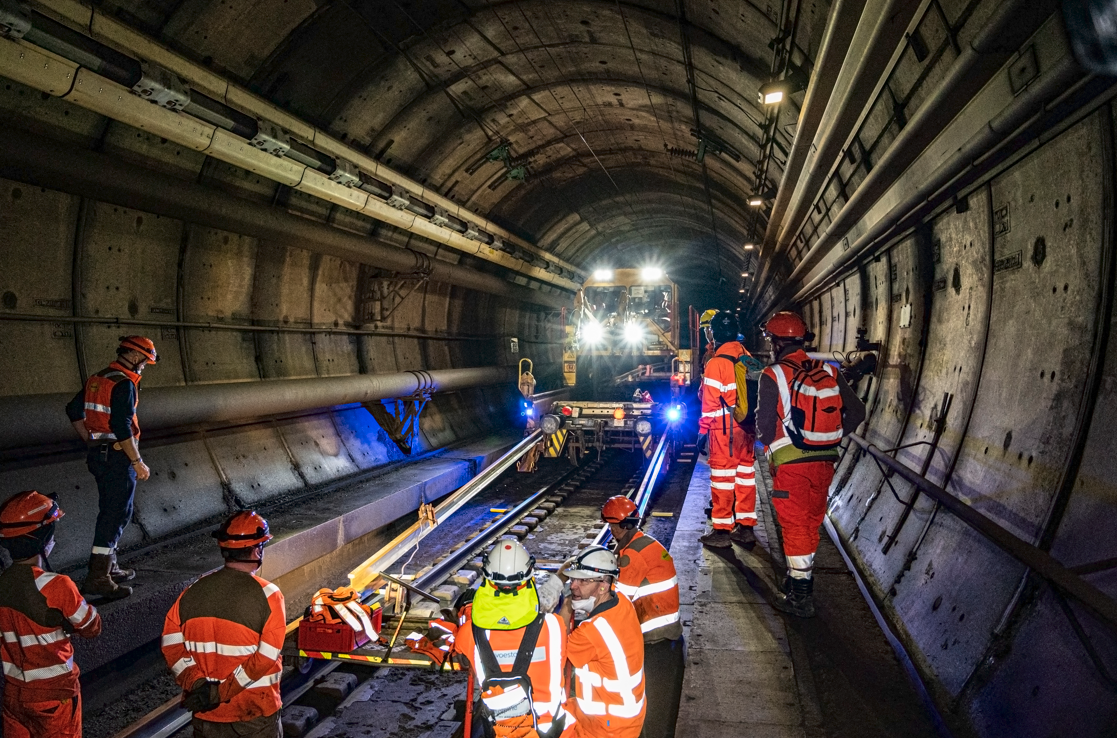
Corrosion of rails occurs in a wide range of railway environments. In a tunnel, permanent exposure to moisture is often the greatest challenge, while at level crossings water and debris tend to accumulate around the rail. In coastal and port areas, salt exposure plays a major role, and stray currents can further accelerate corrosion. If corrosion is not addressed in time, it can lead to increased maintenance, premature replacement and ultimately even rail failure.
Rubbercoat Protects Rails Against Corrosion
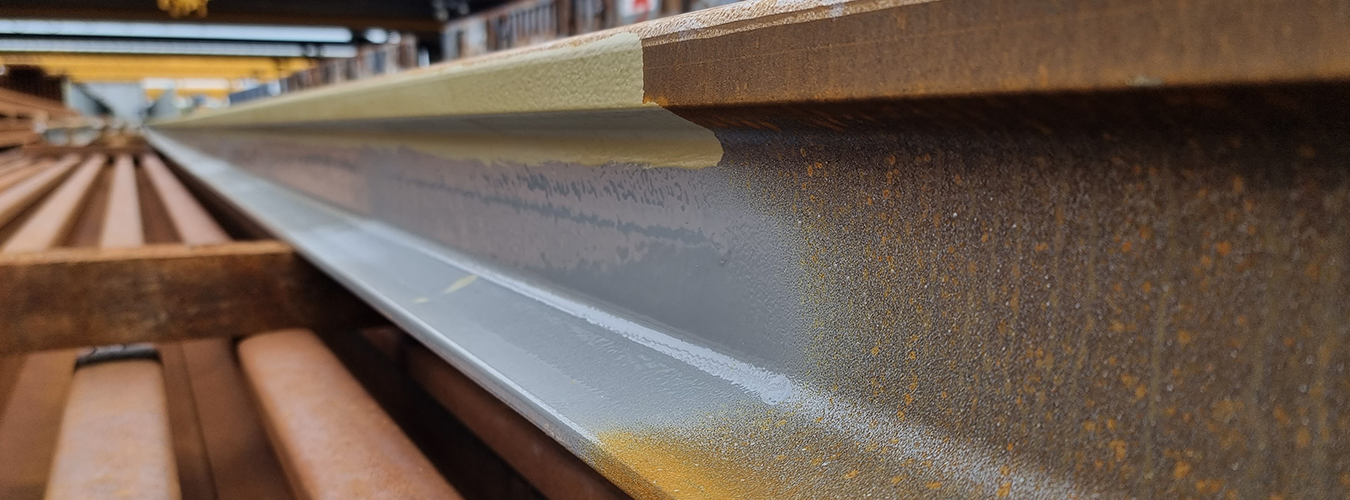
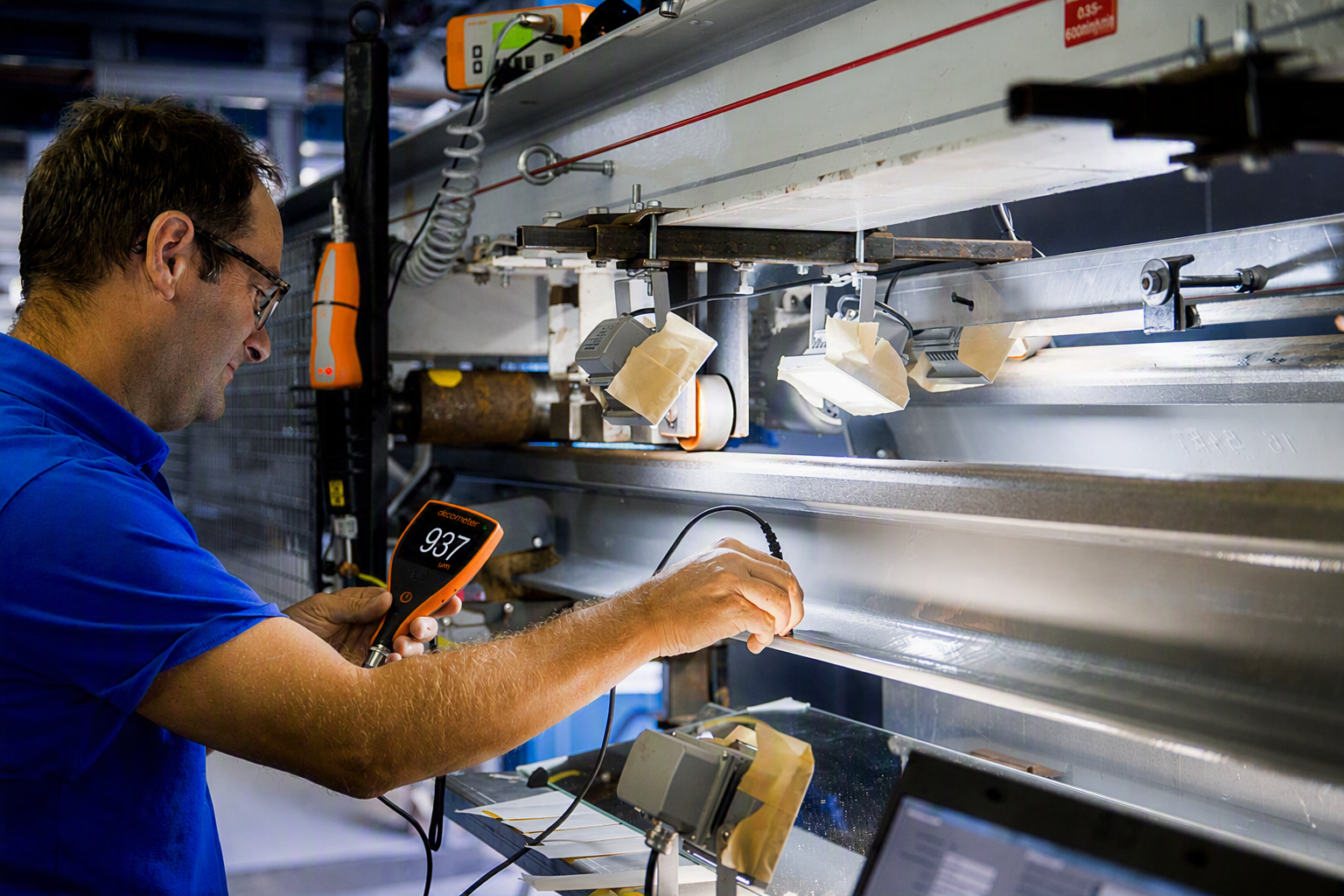
Rubbercoat is an elastic polyurea coating that protects rails against moisture, salt, stray currents and other aggressive influences. The coating combines corrosion protection with electrical insulation while remaining suitable for activities such as welding, drilling and inspection. Thanks to these properties, Rubbercoat is used in a wide range of railway environments, from tunnels and level crossings to station areas, ports and metro networks.
More Than Just a Protective Layer
Our practical experience has shown that the performance of a coating is not determined solely by the material itself. The way rails are manufactured, transported, installed and maintained also influences the level of protection ultimately achieved. For this reason, Rubbercoat forms part of a broader approach in which engineering, quality assurance, logistics, installation and repair methods are aligned to work together as one integrated system.
A proven solution
Rubbercoat has been used successfully in a wide variety of railway projects for many years. Since 2016, coated rails have been mandatory in Dutch level crossings and have been incorporated into the design requirements of ProRail. In these applications, they not only protect against corrosion and stray currents but also help prevent disruptions to track circuits.
The coating has also demonstrated its value in other applications. At Amsterdam Sloterdijk station, coated rails have been installed to limit deterioration caused by local contamination. In the Hemtunnel, they are used to prevent corrosion resulting from permanent exposure to moistur
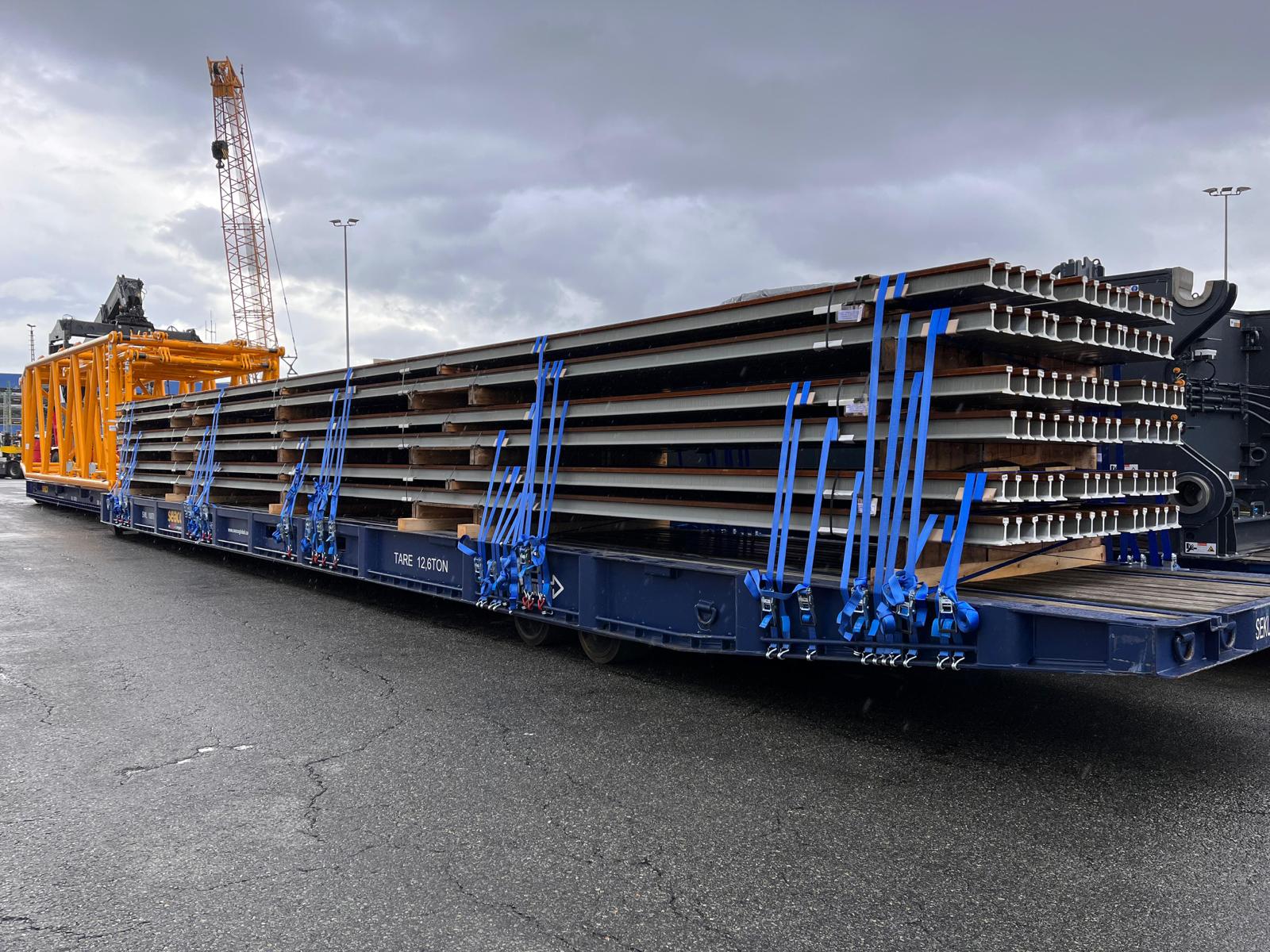
Internationally, Rubbercoat has been applied in the Channel Tunnel between France and the United Kingdom. Coated rails were installed on a large scale as part of two renewal programmes. In addition, for the Hong Kong metro network, we developed specific packaging, transportation and installation methods to ensure that coated rails arrive on site without damage and can be processed correctly.
Protection Throughout the Entire Service Life
The success of corrosion protection is ultimately not determined when a coated rail is delivered, but by its performance throughout its entire service life in track. This contributes not only to lower whole-life costs but also to more sustainable asset management. After all, rails that last longer need to be replaced less frequently, reducing both material consumption and maintenance activities.
Discussing Practical Experience at InnoTrans
Less deterioration means a longer service life for railway assets, reduced maintenance, fewer replacements and lower total life-cycle costs for asset managers. Extending service life also contributes to more sustainable asset management by reducing the amount of material that needs to be replaced.
Our practical experience shows that effective corrosion protection starts with understanding the complete railway environment. During InnoTrans in Berlin, we would be pleased to continue that conversation. We will share practical experiences from tunnels, level crossings, station areas and other corrosion-sensitive applications, and demonstrate how a system-based approach can contribute to reliable and available rail infrastructure. You can also contact Eric Brink, Business Unit Manager Rail Services, at any time.

Eric Brink
Business Unit Manager Rail Services